



 Course Catalog: Apprentice Training
Apprentices are employed by “sponsors” and receive paid on–the-job training and academic
instruction that will prepare you with the skills needed to advance you in your chosen trade. The
result is a skilled craft worker with industry-driven training and an employer with a competitive edge.
Apprentice responsibilities include attending school for related classroom instruction in conjunction
with completing his/her on-the-job training. At the Construction Education Center, Inc. we provide
quality classroom education.
Enrollment Requirements
Licensed Trades: Registered apprentices interested in enrolling in the related instruction courses for licensed trades need to provide proof of registration upon application by submitting a copy of current apprenticeship card as well as including sponsor contact information in the Company section of the registration form. Interested applicants who have completed apprenticeship related instruction courses or vocational training at other institutions should also submit transcripts of all previously completed coursework.
Non-Licensed Trades: Persons interested in registering for courses in a non-licensed trade as outlined in this catalog (carpentry) do not need to be registered apprentices to apply to the program, however, those registered as apprentices with the Dept. of Labor should provide the same proof as indicated above.
Apprenticeship Programs Offered
| HVAC |
Tradesmen employed in the HVAC industry install maintain
and repair systems that control the temperature, humidity,
and total air quality in residential, commercial and
industrial buildings.
Related Instruction
Requirements
The Heating, Venting, and Air Conditioning (HVAC) program provides the
required related instruction for apprentices registered in Connecticut as an S2 or D2. HVAC
technicians, also known as a D2 license holder in the state of CT, are required to complete
432 related instruction (RI) hours and journeymen, S2 license holders, are required to complete
720 RI hours.
At the CEC, D2 apprentices complete two full years of apprenticeship training and need only
72 hours the third year to complete the 432 required RI hours. |
| HVAC - D2 Course Outline |
Year One
180 Hours |
Basic Math, Basic Safety, Intro to Hand and Power Tools, Into to Blue Print Reading, Basic
Rigging, Basic Communication Skills, Basic Employability Skills, Intro to HVAC, Trade
Math, Tools of the Trade, Copper and Plastic Piping, Soldering and Brazing, Ferrous Metal
Piping Practices, Basic Electricity, Introduction to Cooling, Introduction to Heating |
Year Two
180 Hours |
Air Distribution, Chimneys, Vents, and Flues, Maintenance Skills for the Service
Technician, Alternating Current, Basic Electronics, Electric Heating, Introduction to
Control Circuit Troubleshooting Accessories and Optional Equipment, Metering Devices
Compressors, Heat Pumps, Leak Detection , Evacuation Recovery and Charging |
Year Three
72 Hours |
International Mechanical Codes, NFPA Standards |
| HVAC - S2 Course Outline |
Year One
180 Hours |
Basic Math, Basic Safety, Intro to Hand and Power Tools, Into to Blue Print Reading, Basic
Rigging, Basic Communication Skills, Basic Employability Skills, Intro to HVAC, Trade Math,
Tools of the Trade, Copper and Plastic Piping, Soldering and Brazing, Ferrous Metal Piping
Practices, Basic Electricity, Introduction to Cooling, Introduction to Heating |
Year Two
180 Hours |
Air Distribution, Chimneys, Vents, and Flues, Maintenance Skills for the Service Technician,
Alternating Current, Basic Electronics, Electric Heating, Introduction to Control Circuit
Troubleshooting Accessories and Optional Equipment, Metering Devices Compressors, Heat
Pumps, Leak Detection , Evacuation Recovery and Charging |
Year Three
180 Hours |
Planned Maintenance, Troubleshooting Gas Heating, Troubleshooting Electric Heating,
Troubleshooting Oil Heating, Troubleshooting Cooling, Troubleshooting Heat Pumps,
Troubleshooting Accessories, International Mechanical Codes, NFPA Standards |
Year Four
180 Hours |
Construction Drawings and Specifications, Indoor Air Quality, Energy Conservation
Equipment, Building Management Systems, Water Treatment, System Startup and Shutdown,
Heating and Cooling System Design, Commercial and Industrial Refrigeration |
| Sheet Metal |
Sheet Metal workers make, install, and maintain heating,
ventilation, and air-conditioning duct systems.
Related
Instruction Requirements
The Sheet Metal program provides the required related
instruction for apprentices registered in the State of Connecticut as a sheet metal (SM2). Each
year 144 hours of related instruction are covered, meeting the minimum sate requirement.
Over four years an apprentice will complete 576 hours. |
| Sheet Metal - SM2 Course Outline |
Year One
144 Hours |
Basic Math, Basic Safety, Intro to Hand and Power Tools, Basic Communication
Skills, Basic Employability Skills, Intro to Plan Reading, Intro to Sheet Metal Trade,
Fabrication One/Parallel Line, Fastener Hangers and Supports, Intro to Sheet
Metal Layout & Processes, Insulation, Installation of Air Distribution Accessories,
Basic Rigging and Safe Practices |
| Year Two |
Trade Math, Blue Prints/Specifications, Fabrication Two/Radial Line, Sheet Metal
Duct Fabrication, Fiber Glass Duct, Sheet Metal Duct Fabrication Standards, Air
Properties & Distribution, Soldering, Bend Allowances |
Year Three
144 Hours |
Trade Math, Intro to Welding, Brazing & Cutting, Comprehensive Blueprint &
Specification Reading, Fabrication III/Triangulation, Principles of Refrigeration,
Intro to International Mechanical Code Chapter 1-6. |
Year Four
144 Hours |
Air Balance, SMACNA, NFPA 96, Fume & Exhaust System Design, Kitchen
Hoods/Grease Exhaust, Fabrication, Sheet Metal Code Compliance, Fabrication
Four Comprehensive Review |
| Carpentry |
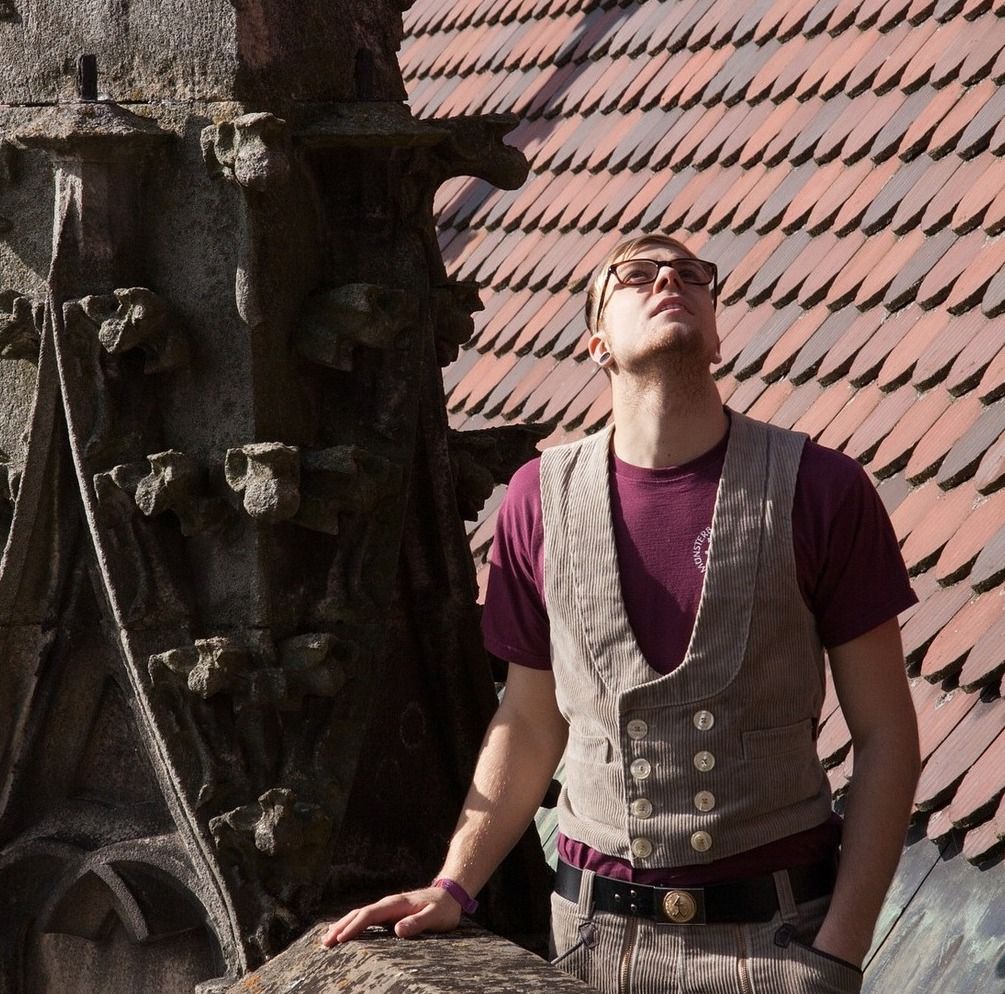
Carpenters are involved in many different kinds of
construction activity, from the building of highways and
bridges, to the installation of kitchen cabinets. Our
curriculum focuses on teaching the skills for commercial
construction. Carpenters construct, erect, install, and
repair structures and fixtures made from wood and other
materials. Large construction contractors or specialty contractors, may require their
carpenters to perform tasks such as framing walls, constructing wooden forms for pouring
concrete, or erecting scaffolding.
Related Instruction Requirements
The Construction Education Center also provides apprenticeship and craft training in
Carpentry, a nonlicensed but apprenticable trade in the state of Connecticut. Because of this
distinction, interested persons not registered as an apprentice, but employed in the carpentry |
| Carpentry - Course Outline |
| Year One |
Basic Safety, Basic Math, Intro to Blue Prints, Hand Tools, Power Tools, Basic Rigging, Orientation to the
Trade. Wood Building Material Fasteners and adhesives Floor Systems, Wall and Ceiling Framing, Roof
Framing, Windows and Exterior Doors |
| Year Two |
Reading Plans and Elevations, Site Layout One- distance Measurement and Leveling, Intro to Concrete and
Reinforcing materials, Foundations and Flatwork, Concrete Forms, Reinforcing Concrete, handling and
Placing Concrete, Manufactured Forms |
| Year Three |
Exterior Finishing Roofing Applications, Thermal and Moisture Protection, Stairs, Framing with Metal Studs,
Drywall One: Installation, Drywall Two-Finishing, Interior Finish One-Doors Interior Finish Three: Window,
Door, Floor, and Ceiling Trim, Interior Finish Four: Cabinet Installation |
| Year Four |
Site Layout Two: Angular Measurement, Advanced Roof Systems, Advanced Floor Systems Advanced Wall
Systems, Advanced Stair Systems Introduction To Light Equipment, Welding, Metal Buildings, Introductory
Skills for the Crew Leader |
| Plumbing |
| Plumbing - Course Outline |
Year One
180 Hours
Tuition= $1,650
(includes Fees and materials) |
Basic Math, Basic Safety, Intro to Hand and Power Tools, Into to Blue Print Reading, Basic Rigging, Basic Communication Skills, Basic Employability Skills, Intro to Plumbing, Intro to Trade Math, Plumbing Safety, Intro to Plumbing Drawings, Plastic Pipe & Fittings, Copper Pipe & Fittings, Carbon Steel Pipe & Fittings, Corrugated Stainless Steel Tubing, Fixtures & Faucets, Intro to Drain Waste and Vent Systems, Intro to Water Distribution Systems |
Year Two
180 Hours
Tuition= $1,650
(includes Fees and materials) |
Applied Math, Sizing Water Supply Piping, Potable Water Supply Treatment, Backflow Preventers, Types of Venting, Sizing DWV & Storm Systems, Sewage Pumps & Sump Pumps, Corrosive Resistant Waste Piping, Compressed Air |
Year Three
180 Hours
Tuition= $1,650
(includes Fees and materials) |
Applied Math, Sizing Water Supply Piping, Potable Water Treatment, Backflow Preventers
Types of Venting, Sizing DWV and Storm Systems, Sewage Pumps and Sump Pumps, Corrosive Resistant Waste Piping, Compressed Air, Employability Skills, International Plumbing Code Review
|
Year Four
180 Hours
Tuition= $1,650
(includes Fees and materials) |
Business Principles, Skills for the Crew Leader, Water Pressure Booster & Recirculation systems, Indirect and Special Waste, Hydronic and solar heating systems, Codes, Servicing Piping Systems, Fixtures and appliances, Private Water Supply Well Systems, Private Waste Disposal Systems, Swimming Pools and Hot Tubs, Plumbing for mobile homes and Travel Trailers, International Plumbing Code Review |
|